Chinese
 Español
 Francés
 Deutsch
 Русский
 العربية
 Português
 日本語
日本語
 한국어
한국어
 Italiano

How Commercial Solar Water Heaters Convert Sunlight into Hot Water
How Commercial Solar Water Heaters Convert Sunlight into Hot Water
A Complete Guide to Solar Thermal Technology, System Types, and Best Practices
Commercial solar water heaters function by transforming solar energy into thermal energy, heating water from lower temperatures to higher temperatures to meet the hot water demands in both daily life and industrial production. Based on their structural design, solar water heaters are primarily categorized into two types: vacuum tube solar water heaters and flat plate solar water heaters. Currently, vacuum tube solar water heaters dominate the domestic market, accounting for approximately 95% of market share.
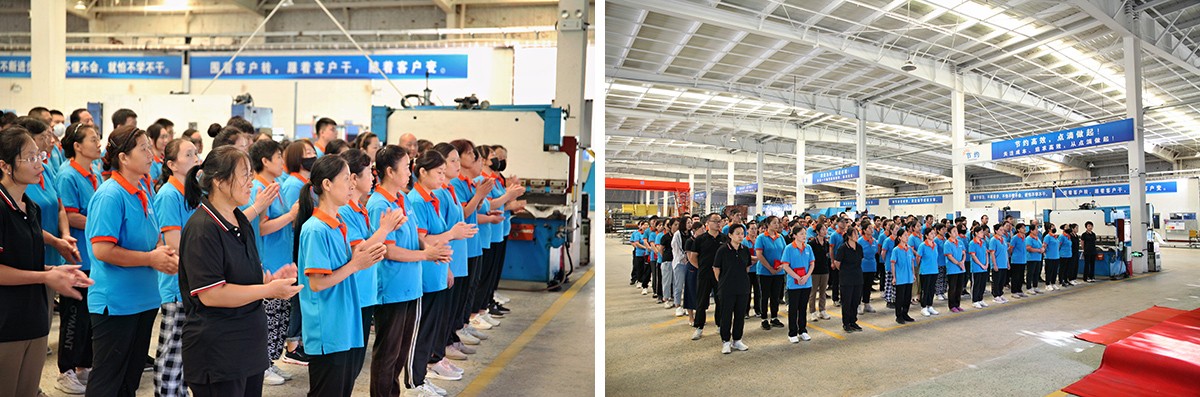
Shandong Soletks Solar Technology Co., Ltd., as a professional solar water heater manufacturer, specializes in the production of solar water heaters, solar collectors, solar hot water systems, and solar hybrid solutions, committed to providing efficient and reliable hot water solutions for commercial users worldwide.
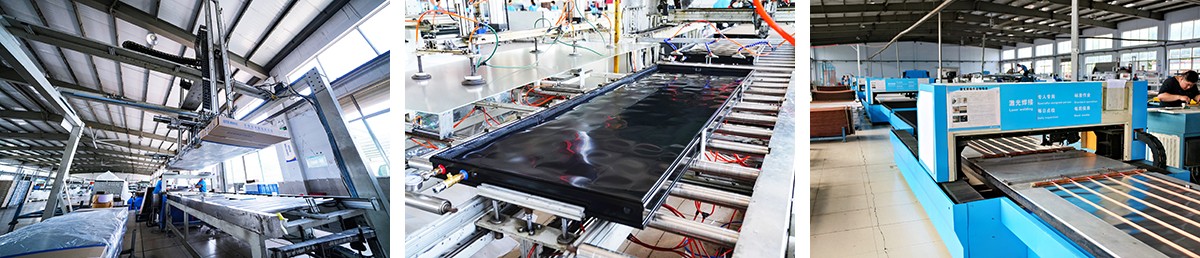
State-of-the-art manufacturing facility
Advanced quality control and testing

Comprehensive product range
Article Outline
Vacuum Tube vs. Flat Plate Solar Water Heaters: Performance Comparison
| Feature | Vacuum Tube Solar Water Heaters | Flat Plate Solar Water Heaters |
|---|---|---|
| Market Share | 95% | 5% |
| Heat Absorption Efficiency | 92-96% | 75-85% |
| Cold Weather Performance | Excellent (operates down to -30°C) | Good (operates down to -15°C) |
| Installation Flexibility | High (individual tube replacement) | Moderate (panel replacement required) |
| Initial Cost | $2,500 - $8,000 | $3,000 - $10,000 |
| Lifespan | 15-20 years | 20-25 years |
| Maintenance Requirements | Low (individual tube maintenance) | Moderate (entire panel inspection) |
| Space Efficiency | Moderate | High |
| Best Application | Residential & small commercial | Large commercial & industrial |
Energy Savings: Solar Water Heaters vs. Traditional Systems
| System Type | Annual Energy Cost (per 1000L) | CO₂ Emissions (kg/year) | Payback Period |
|---|---|---|---|
| Electric Water Heater | $1,200 - $1,800 | 4,500 - 6,000 | N/A |
| Gas Water Heater | $800 - $1,200 | 3,200 - 4,500 | N/A |
| Soletks Solar Water Heater | $150 - $300 | 500 - 800 | 3-5 years |
| Hybrid Solar + Electric | $300 - $500 | 1,200 - 1,800 | 4-6 years |
Note: Costs based on average commercial usage of 1000 liters per day
The Solar-to-Heat Conversion Process in Water Heaters
How Commercial Solar Water Heaters Capture and Absorb Sunlight
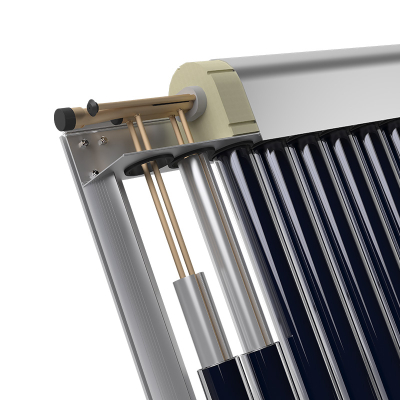
Understanding how solar water heaters work begins with the sunlight absorption process. Solar radiation first passes through the outer glass tube of the vacuum tube and is subsequently absorbed by the selective absorber coating. Soletks vacuum tube collectors (58mm×1800mm) utilize advanced selective absorber coating on the inner cover of vacuum tubes to efficiently absorb solar energy.
The thermal energy then travels along the inner tube wall to reach the water contained within. As the outer tube of the Soletks commercial solar water heater absorbs heat, the water temperature begins to rise. Due to this temperature increase, the water's specific gravity decreases accordingly, causing the heated water to naturally move upward, thereby generating upward momentum and forming a thermosiphon system.
Within this circulation system, hot water continuously moves upward and accumulates at the top of the storage tank. Simultaneously, cold water at lower temperatures is constantly replenished through the pipeline on the opposite side. Through this reciprocating flow pattern, the water in the entire tank of the Soletks commercial solar water heater gradually reaches the desired temperature.
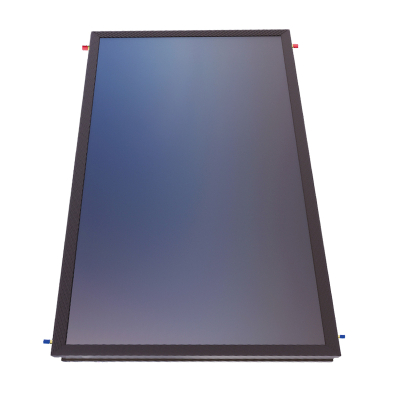
For flat plate collectors in commercial solar water heaters, Soletks employs high-quality coating with excellent thermal stability and strong corrosion resistance. The low-iron tempered glass cover ensures maximum light transmission while providing durability. Soletks offers Flat Plate Solar Collectors designed for engineering projects, ensuring optimal performance in large-scale installations.
A split system configuration is typically employed, where the medium within the collector plate utilizes natural circulation through heat siphoning. Solar radiation efficiently transfers thermal energy to the water tank through the collector plate, and the tank subsequently transfers this heat to the incoming cold water via heat exchange.
Solar Energy Conversion Efficiency Data
| Sunlight Intensity | Water Temperature Rise (per hour) | Energy Conversion Rate |
|---|---|---|
| Strong (800-1000 W/m²) | 8-12°C | 85-96% |
| Moderate (500-800 W/m²) | 5-8°C | 70-85% |
| Weak (200-500 W/m²) | 2-5°C | 50-70% |
| Cloudy (<200 W/m²) | 0.5-2°C | 30-50% |
For enhanced efficiency in commercial applications, Soletks also offers Heat Pipe Solar Collectors, which provide superior heat transfer performance and freeze protection, making them ideal for cold climate installations.
The Water Circulation System That Distributes Heat
Soletks commercial solar water heaters typically operate in natural circulation mode, eliminating the need for external power supply. Vacuum tube solar water heaters feature a direct insertion structure, where hot water movement is powered by gravitational force. The water supply in commercial solar water heaters relies on tap water pressure (commonly referred to as pressurized water supply). For pressurized systems, Soletks provides pressurized U-Tube Evacuated Tube Solar Collectors that ensure consistent water pressure and temperature control. In solar central heating systems, pump circulation is utilized for optimal performance.
Circulation System Performance Metrics
| Circulation Type | Flow Rate (L/min) | Energy Consumption | Heat Distribution Efficiency | Best For |
|---|---|---|---|---|
| Natural Circulation | 2-5 | 0 kWh | 75-85% | Small to medium systems |
| Forced Circulation (Pump) | 8-15 | 0.1-0.3 kWh | 88-95% | Large commercial systems |
| Thermosiphon System | 3-6 | 0 kWh | 80-90% | Residential & small business |
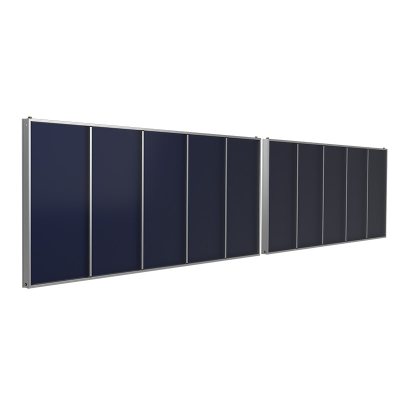
Given the relatively compact heat collection area of solar water heaters, and taking into consideration potential heat energy losses, pipeline circulation is generally not implemented. This design approach ensures maximum thermal efficiency while maintaining system simplicity. For large-scale commercial installations, Soletks offers 25 Engineering Header Collectors that provide centralized heat collection for multi-building complexes. Energy-efficient solar water heaters like those from Soletks help businesses reduce energy costs and carbon footprint.
Advanced Water Delivery Technology for Consistent Hot Water Supply
Soletks flat plate solar water heaters operate using the top water mode, and vacuum tube solar water heaters can also function in this manner. The storage tank options include enamel-coated tanks with corrosion resistance or stainless steel tanks for enhanced durability. Soletks offers various capacities including 100L, 150L, 200L, 300L, and 500L to meet different commercial needs. Explore our complete range of Solar Water Heaters to find the perfect solution for your facility.
The primary advantage of top water operation lies in the water supply pressure, which matches tap water pressure and exceeds natural gravity pressure. This is particularly beneficial when installation height is limited.
Water Delivery System Comparison
| Delivery Method | Water Pressure (PSI) | Temperature Consistency | Installation Height Required | Cost Premium |
|---|---|---|---|---|
| Gravity-Fed System | 5-15 | ±5°C variation | 6-10 feet above outlet | Baseline |
| Top Water System | 40-60 | ±2°C variation | Flexible (ground level OK) | +15-25% |
| Pressurized System | 50-80 | ±1°C variation | Flexible | +25-35% |
A distinctive characteristic of this system is that water temperature starts high and gradually decreases, making it easy for users to monitor and control. However, this requires maintaining consistent tap water supply capacity. Soletks solar water heaters with top water operation functionality typically have higher production costs and retail prices compared to gravity-fed water heaters, reflecting the advanced technology and enhanced user convenience.
Practical Tips for Using Solar Water Heaters
Best Practices for Weather-Based Water Management
If the weather forecast indicates clear skies, you can fill the Soletks commercial solar water heater tank to full capacity. During overcast or cloudy conditions, filling the tank to half or two-thirds capacity is sufficient. On rainy days, avoid adding cold water and simply maintain the existing water level in the system. This weather-responsive approach maximizes solar water heater efficiency and ensures optimal hot water availability.
Weather-Based Water Filling Strategy
| Weather Condition | Recommended Fill Level | Expected Temperature Rise | Heating Time to 60°C |
|---|---|---|---|
| Clear/Sunny | 100% (Full tank) | 35-45°C | 4-6 hours |
| Partly Cloudy | 70-80% | 25-35°C | 6-8 hours |
| Overcast | 50-60% | 15-25°C | 8-10 hours |
| Rainy | Maintain current level | 5-10°C | Use auxiliary heating |
Safe Operation Guidelines for Commercial Solar Water Heaters
When operating a commercial solar water heater, begin by opening the cold water valve and regulating the cold water flow rate. Subsequently, open the hot water valve and make adjustments until you achieve your desired bathing temperature. Pay careful attention to water temperature regulation, and ensure the nozzle is not directed toward people to prevent scalding accidents.
During bathing, if the tank suddenly runs out of hot water, allow approximately 10 minutes for the solar water tank to cool. Hot water will then be discharged from the vacuum tubes, enabling you to continue your shower comfortably.
Optimal Water Supply Timing for Maximum Efficiency
For Soletks commercial solar water heaters with empty tanks, the ideal water supply time is either 4 hours before sunrise or after sunrise (6 hours during summer months). This timing ensures optimal heat absorption and system efficiency. Proper scheduling of water refilling helps maximize the solar energy conversion rate and reduces reliance on auxiliary heating systems.
Optimal Water Refilling Schedule
| Season | Best Refilling Time | Avoid Refilling Time | Reason |
|---|---|---|---|
| Summer | 5:00 AM - 7:00 AM or 6:00 PM - 8:00 PM | 11:00 AM - 3:00 PM | Prevents thermal shock to tubes |
| Winter | 8:00 AM - 10:00 AM | 4:00 PM - 6:00 AM | Prevents freezing damage |
| Spring/Fall | 6:00 AM - 8:00 AM or 5:00 PM - 7:00 PM | 12:00 PM - 2:00 PM | Maximizes heating efficiency |
Temperature Control and Mixing Techniques
To achieve the perfect water temperature with your commercial solar water heater, follow these adjustment steps: First, open the cold water valve and appropriately adjust the cold water flow. Then, open the hot water valve and fine-tune until reaching your preferred bathing temperature. Additionally, you can determine the appropriate amount of cold water based on weather conditions and personal experience. Always ensure the nozzle is not facing toward your body to avoid potential scalding.
Recommended Hot Water Temperatures by Application
| Application | Ideal Temperature | Cold Water Mix Ratio | Safety Considerations |
|---|---|---|---|
| Hand Washing | 35-40°C (95-104°F) | 60% hot / 40% cold | Low scalding risk |
| Showering | 38-42°C (100-108°F) | 50% hot / 50% cold | Moderate risk - test first |
| Dishwashing | 45-55°C (113-131°F) | 70% hot / 30% cold | Use gloves recommended |
| Laundry | 40-60°C (104-140°F) | Varies by fabric | Check garment labels |
| Sanitization | 60-70°C (140-158°F) | 90% hot / 10% cold | High scalding risk - caution |
Peak Hour Management and Freeze Protection Strategies
Try to schedule your hot water usage outside peak demand periods. Avoid using hot water simultaneously in bathrooms and kitchens to prevent fluctuations between hot and cold water during showers. During power outages when the anti-freezing belt cannot function, slightly open the water valve of your Soletks commercial solar water heater to allow water to drip slowly, which provides effective freeze protection.
Important: When the water heater's water level drops below the 2-level mark, refrain from using the auxiliary heating system to prevent dry heating damage. Users with automatic valves should close the water supply after confirming the tank is full to prevent accidents.
Freeze Protection Temperature Guidelines
| Outdoor Temperature | Protection Method | Water Drip Rate | Energy Cost Impact |
|---|---|---|---|
| 0°C to -5°C | Insulation only | Not required | $0/day |
| -5°C to -10°C | Light dripping | 1-2 drops/second | $0.50-$1/day |
| -10°C to -20°C | Moderate dripping + heating tape | 3-5 drops/second | $2-$4/day |
| Below -20°C | Drain system or continuous drip | 6-10 drops/second | $5-$8/day |
Winter Operation and Maintenance Tips
During winter when temperatures are not excessively low (5-7°C), if hot water remains in the tank at night, it is recommended to immediately fill your solar water heater. This reduces the water temperature in the tank, minimizes overnight heat loss, and maximizes heat energy utilization. However, if both temperature and water level are low, consider adding water in the morning to prevent the water heater outlet pipe from freezing. Proper winter maintenance ensures your commercial solar water heating system continues to operate efficiently even in cold weather conditions. For extreme cold climates, consider our Solar Hot Water Systems designed for cold climates, which feature enhanced freeze protection and insulation.
Seasonal Performance Comparison
| Season | Average Daily Hot Water Output | System Efficiency | Auxiliary Heating Required | Maintenance Frequency |
|---|---|---|---|---|
| Summer | 85-100% of capacity | 90-96% | Rarely (5-10% of days) | Quarterly |
| Spring/Fall | 70-85% of capacity | 75-88% | Occasionally (20-30% of days) | Bi-monthly |
| Winter | 50-70% of capacity | 60-75% | Frequently (50-70% of days) | Monthly |
Safety Precautions for Extended Absences
When using your Soletks commercial solar water heater to fill a bathtub, avoid using the shower head to prevent damage from scalding. When leaving your property for extended periods, remember to turn off both the tap water supply and the main indoor power supply for safety purposes. These simple precautions protect both your solar water heating equipment and property.
Supplementary Heating Solutions for High-Demand Situations
If your commercial solar water heater's hot water consumption is substantial, consider activating the electric heating function of the solar water heater. Soletks thermodynamic systems can integrate with enamel boiler tanks for hotels and large commercial applications. Alternatively, you can transfer water from the solar water heater into an electric water heater for supplementary heating of smaller quantities. This hybrid approach ensures continuous hot water availability while still maximizing solar energy benefits. Our Solar Hot Water Systems are designed to seamlessly integrate with existing infrastructure.
Hybrid System Performance Data
| Configuration | Solar Contribution | Auxiliary Energy Use | Total Annual Cost | CO₂ Reduction vs. Electric Only |
|---|---|---|---|---|
| 100% Solar (Summer) | 95-100% | 0-5% | $150-$200 | 85-90% |
| Solar + Electric Backup | 65-75% | 25-35% | $400-$600 | 60-70% |
| Solar + Gas Backup | 70-80% | 20-30% | $350-$500 | 65-75% |
| 100% Electric (Baseline) | 0% | 100% | $1,200-$1,800 | 0% |
For hotels and large facilities requiring substantial hot water capacity, Soletks provides specialized Solar Hot Water Systems for hotels and large facilities that deliver consistent performance, scalability, and integration with existing building management systems.
Conclusion: Maximizing Your Solar Water Heater Investment
Proper utilization of Soletks commercial solar water heaters delivers an excellent hot water experience combined with reliable safety. Correct operation not only ensures user comfort and security but also provides optimal protection for the solar energy system itself, extending its operational lifespan. By understanding how commercial solar water heaters convert sunlight into hot water and following these best practices, businesses can achieve significant energy savings, reduce environmental impact, and enjoy consistent hot water supply year-round.
Return on Investment Analysis
| System Size | Initial Investment | Annual Savings | Payback Period | 20-Year Net Savings |
|---|---|---|---|---|
| Small (100-300L) | $2,500-$4,000 | $800-$1,200 | 3-4 years | $14,000-$20,000 |
| Medium (300-500L) | $4,000-$6,500 | $1,200-$1,800 | 3-5 years | $20,000-$30,000 |
| Large (500-1000L) | $6,500-$10,000 | $1,800-$2,500 | 4-5 years | $30,000-$45,000 |
| Commercial (1000L+) | $10,000-$20,000 | $2,500-$4,000 | 4-6 years | $45,000-$70,000 |