Chinese
 Español
 Francés
 Deutsch
 Русский
 العربية
 Português
 日本語
日本語
 한국어
한국어
 Italiano

What Is PVT Solar? How Hybrid Solar Panels Work and Why They Matter in Commercial Projects
What Is PVT Solar? How Hybrid Solar Panels Work and Why They Matter in Commercial Projects
Photovoltaic-thermal (PVT) technology combines electricity generation and solar heat collection into a single panel. This article explains how PVT works, what problems it solves, and why it is increasingly chosen for commercial and industrial buildings.
Many commercial buildings need both electricity and heat — but roof space is limited. Traditionally, developers had to choose between PV panels for electricity or solar thermal collectors for hot water. PVT solves this conflict by delivering both from the same roof area.
1. What Does PVT Mean?
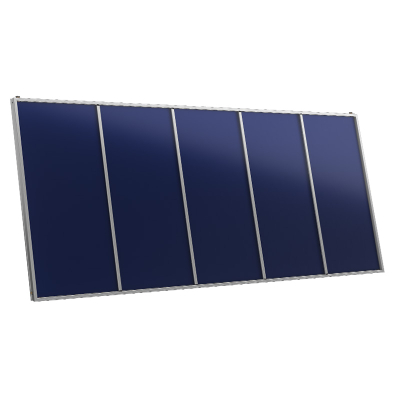
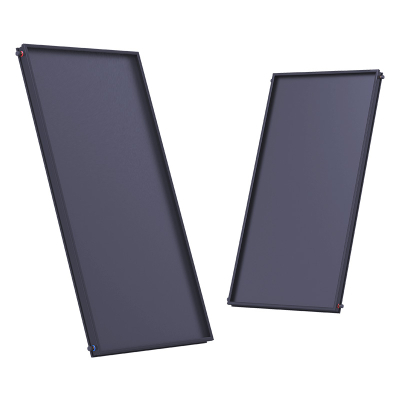
PVT stands for Photovoltaic-Thermal. A PVT panel integrates a standard photovoltaic module with a thermal absorber layer behind it. The PV layer converts sunlight into electricity, while the thermal layer captures heat that would otherwise be lost.
Electricity + Heat from one panel2. How Does a PVT System Work?
Sunlight hits the PV cells → electricity is generated.
Heat builds up behind the PV cells during operation.
The thermal absorber removes this heat and transfers it into a water or glycol loop.
That heat is stored or used directly for hot water, heating, or industrial processes.
3. What Is PVT Used For?
| Sector | Typical Use |
|---|---|
| Hotels & Resorts | Domestic hot water + electricity |
| Hospitals | Hot water + heating support |
| Factories | Process water preheating, drying |
| Commercial Buildings | Hot water + partial HVAC support |
4. Why Choose PVT Over PV or Solar Thermal Alone?
Higher total energy yield per square meter
Better roof utilization
Shorter payback in heat-intensive buildings
Lower CO₂ emissions
5. Is PVT More Complex?
A PVT system is slightly more complex than PV-only, because it includes a thermal loop, pumps, and heat storage. However, for commercial buildings that already require hot water systems, this integration is technically straightforward.
If your building has consistent hot water demand, limited roof space, and a long-term decarbonization target, PVT is often the most efficient solution.
Conclusion
PVT is not just a new type of panel — it is a system-level approach to maximize the value of solar energy in commercial buildings. By delivering both electricity and heat, it aligns better with real building energy demand and often delivers stronger economic and environmental results.