Chinese
 Español
 Francés
 Deutsch
 Русский
 العربية
 Português
 日本語
日本語
 한국어
한국어
 Italiano

Hybrid Solar Panels: Double the Energy, Double the Savings
Hybrid Solar Panels: Double the Energy, Double the Savings
Are you looking to maximize your energy savings and reduce your carbon footprint? Look no further than hybrid solar panels. These innovative 2-in-1 systems combine photovoltaic (PV) and solar thermal (T) technologies to generate both electricity and heat from a single panel. As a Solar Consultant, I'm here to explain how this groundbreaking technology can revolutionize your energy consumption.
Understanding Hybrid Solar Panels
A hybrid solar panel, also known as a hybrid solar PVT panel, is designed to capture more of the sun's energy than traditional solar panels. Imagine harnessing the sun not only for electricity but also for heating your water or home. That's the power of hybrid technology. By integrating both photovoltaic and solar thermal capabilities, we achieve a total efficiency of up to 89%, significantly outperforming standard PV systems.
How Hybrid Solar Panels Work
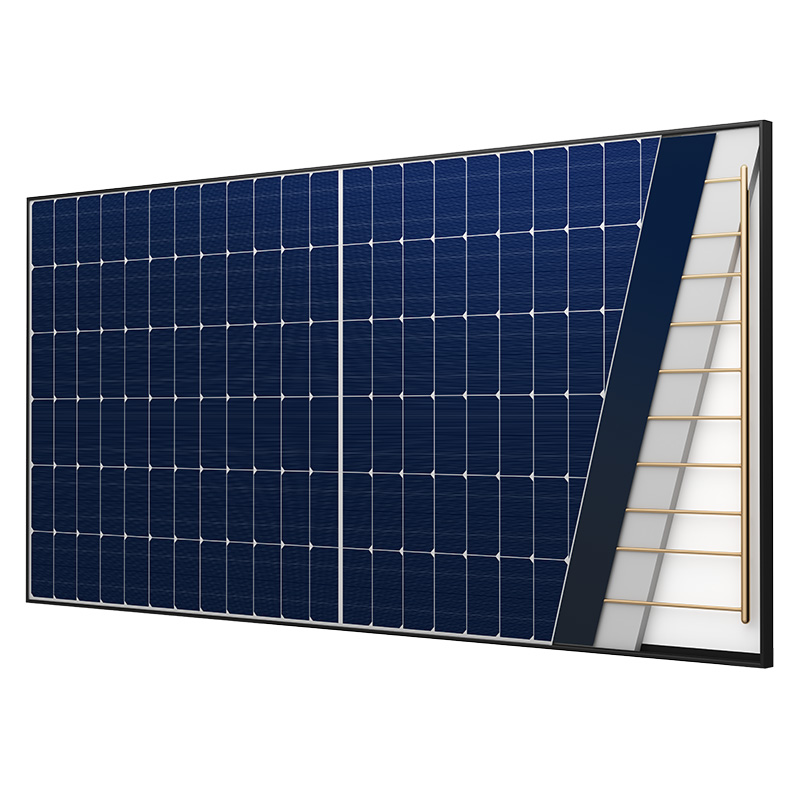
The beauty of a hybrid solar panel lies in its dual functionality. The PV side, typically using N-type TOPCon PV cells, converts sunlight into electricity. Simultaneously, the thermal side, featuring a bonded aluminum thermal plate, captures heat. This heat can then be used for various applications, such as domestic hot water, space heating, or even industrial processes. Our E-Type PVT Thermoelectric Twin Module is engineered for optimal hybrid energy conversion, even in challenging conditions.
Key Benefits of Hybrid Solar Panels
Investing in hybrid solar panels offers a multitude of advantages. Let's explore some of the most compelling reasons to make the switch:
Dual Energy Output: Generate both electricity and heat from a single panel, maximizing energy yields per square meter.
Increased Efficiency: Maintain lower operating temperatures, boosting electrical output and extending panel lifespan. Our panels can deliver 6-8 times more total solar energy per roof area compared to standard PV panels.
Application Flexibility: Pair seamlessly with heat pumps for efficient building heating and cooling. Eliminate or supplement traditional heating sources, reducing reliance on grid electricity, gas, or biomass.
Reduced Environmental Impact: Decrease your carbon footprint by utilizing a cleaner, more efficient energy source. To date, we've helped avoid 16.095 TnCO2 from entering the atmosphere each year.
The Innovation Behind Our Hybrid Solar Panels
At our company, innovation is at the heart of everything we do. We hold a patent for the world's most efficient and profitable solar panel, and we're constantly pushing the boundaries of what's possible. Our hybrid solar panels are not just products; they're complete energy solutions, supported by:
Live Visualization: Monitor your electrical and thermal energy production in real-time.
Monitoring System: Ensure optimal performance and identify potential issues quickly.
Calculation Software: Accurately dimension hybrid solar installations for maximum efficiency.
Real-World Applications and Success Stories
Hybrid solar panels are proving their worth in diverse applications worldwide. From residential rooftops to commercial buildings with high heating demands, our panels are delivering exceptional results. We've installed over 20,246 m2 of hybrid solar panels globally, demonstrating the technology's versatility and reliability.
Consider the case of integrating hybrid solar panels with geothermal-augmented systems. By combining these technologies, we can achieve even greater energy efficiency and reduce reliance on fossil fuels.
Addressing Common Concerns about Hybrid Solar Panels
While the benefits of hybrid solar panels are clear, some potential customers have concerns about initial costs and shading impact. While the upfront cost can be higher than traditional PV systems, the long-term savings and increased energy production make hybrid panels a worthwhile investment. Furthermore, advancements in panel design and monitoring systems mitigate the impact of shading, ensuring consistent energy generation.
Why Choose Our Hybrid Solar Panels?
As a leading provider of hybrid solar panel solutions, we're committed to delivering exceptional quality, performance, and customer service. Our products are backed by rigorous testing, industry-leading warranties, and a team of experts dedicated to your success. We provide:
Patented Technology: Benefit from the world's most efficient and profitable solar panel design.
Comprehensive Solutions: Access a complete suite of products and services, including monitoring systems and calculation software.
Proven Track Record: Join a global community of satisfied customers who are reducing their energy costs and environmental impact.
Conclusion: Embrace the Future of Solar Energy
Hybrid solar panels represent the future of renewable energy, offering a powerful combination of electricity and heat generation. By investing in this innovative technology, you can double your energy savings, reduce your carbon footprint, and achieve greater energy independence. Contact us today to learn more about how hybrid solar panels can transform your energy future. Let's work together to create a cleaner, more sustainable world.Explore our Hybrid Solar Panel Solutions