Chinese
 Español
 Francés
 Deutsch
 Русский
 العربية
 Português
 日本語
日本語
 한국어
한국어
 Italiano

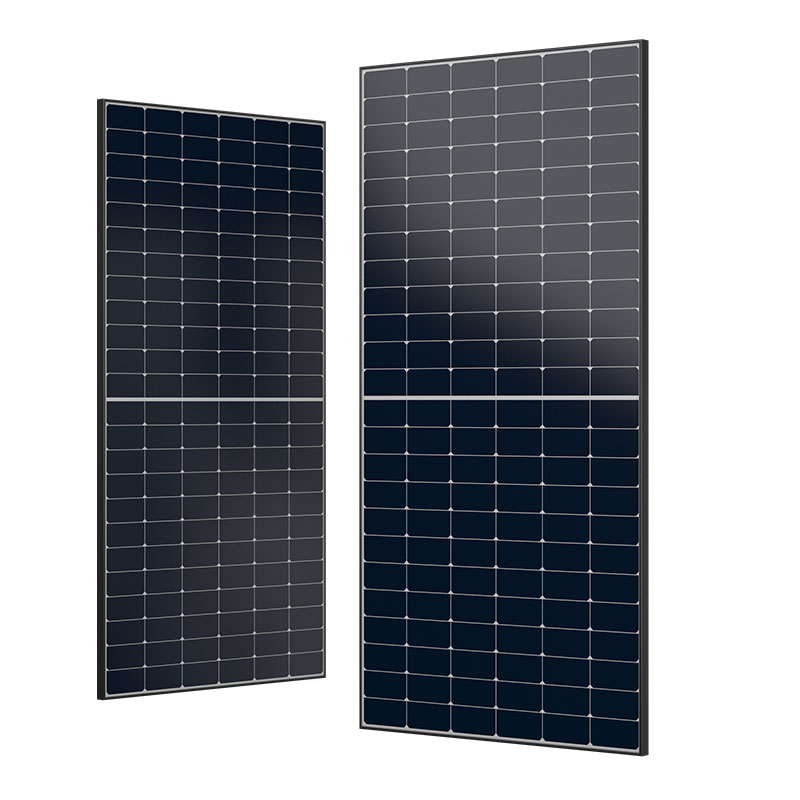
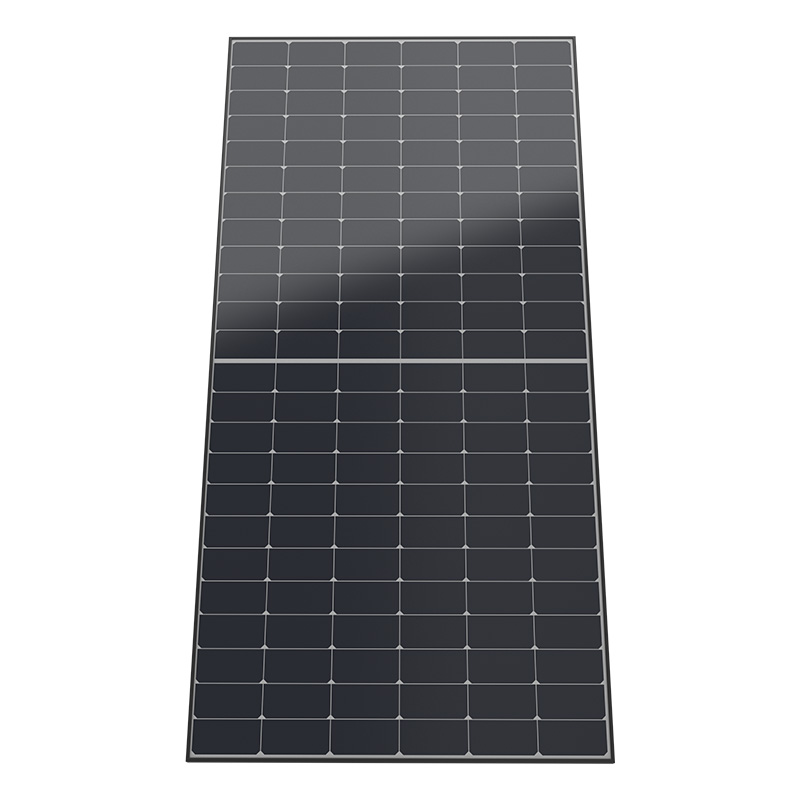
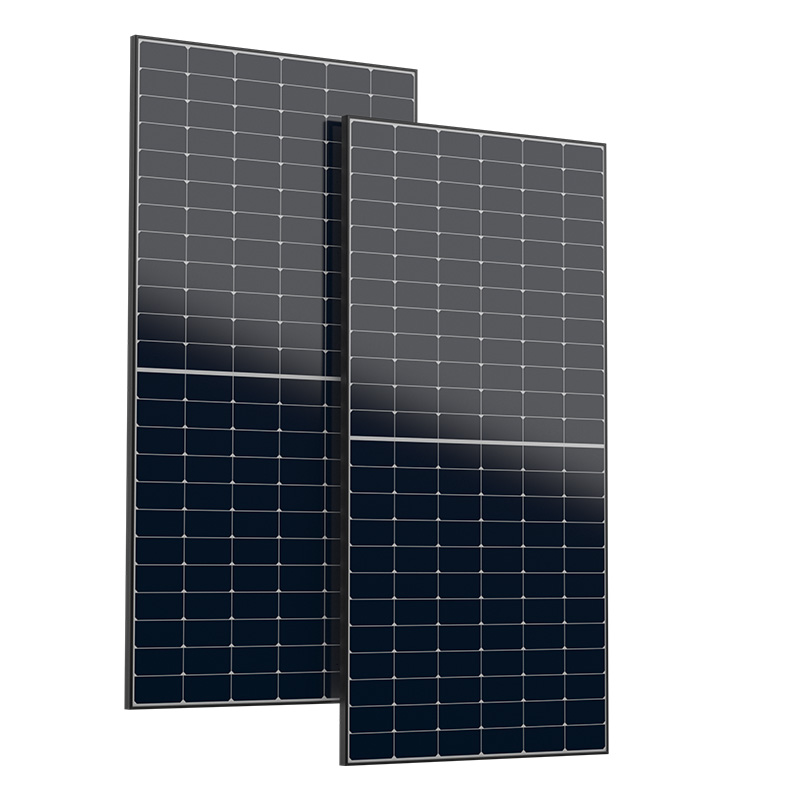
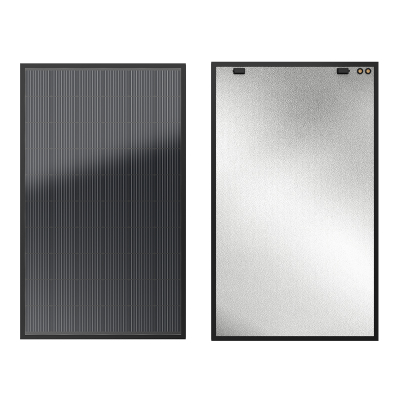
PVT-E Type Thermoelectric Module
1. The comprehensive energy efficiency reaches over 80%, which is significantly higher than that of single-technology systems.
2. Thanks to proper temperature control of the photovoltaic segment, the power generation capacity increases by more than 16% over the entire life cycle.
3. Compared with the separate installation of photovoltaic and solar thermal systems, it saves more than 50% of the roof space.
4. A one-time investment delivers dual benefits of both electricity and heating cost savings.
Introduction
As the global energy system undergoes structural transformation, the construction and building sector is under increasing pressure to reduce carbon emissions while maintaining comfort, reliability, and economic feasibility. Traditional solar solutions face an inherent limitation: photovoltaic systems generate electricity but do not provide heat, while thermal collectors deliver heat but cannot supply electrical power. As a result, buildings that rely on conventional solar technologies often remain dependent on fossil fuels for part of their energy demand, and valuable roof and façade areas are used inefficiently.
The PVT-E hybrid module was developed specifically to overcome this fragmentation. It is not simply a product, but a system-level energy solution that transforms building surfaces into productive, intelligent, and highly efficient clean energy assets.

I. Redefining the Energy Boundary of Buildings: From Single Output to Integrated Co-Generation
Conventional solar technologies operate in isolation. Photovoltaic cells convert a portion of incident radiation into electricity, while more than half of the absorbed energy is dissipated as heat, raising cell temperature and reducing efficiency. Solar thermal collectors, in contrast, capture heat but do not exploit the high-energy photons that can be converted into electricity.
The PVT-E hybrid module resolves this inefficiency through coordinated design. A high-efficiency thermal extraction structure is integrated behind the photovoltaic layer, enabling continuous recovery of thermal energy that would otherwise be wasted. In this system, heat is no longer an unwanted by-product; it becomes a valuable energy stream.
This configuration functions as a balanced energy management platform:
· For the photovoltaic layer, active cooling maintains cell temperature within the optimal range of 25–45°C, stabilizing electrical efficiency at approximately 22.4%.
· For the thermal layer, the recovered heat is transferred into usable hot water or low-temperature process heat, achieving thermal conversion efficiency exceeding 35%.
· At the system level, solar radiation is utilized across the full spectrum, enabling overall energy utilization above 80% and increasing total energy output per square meter by two to three times compared with conventional PV systems.
The result is a structural shift in how buildings engage with solar energy: from passive consumption of single energy forms to active participation in integrated energy production.
II. Four Core Advantages: Maximizing Value from Every Square Meter
1. Efficiency: Extending the Practical Limit of Solar Utilization
The PVT-E system fundamentally changes how solar efficiency is defined. Instead of focusing solely on electrical output, it considers the total usable energy harvested from sunlight. By combining electrical and thermal production, the system reaches a combined utilization efficiency exceeding 80%.
Temperature control plays a central role in this improvement. By lowering photovoltaic operating temperature, electrical performance is stabilized and long-term degradation is reduced, resulting in over 16% higher lifetime electricity generation.
2. Space Efficiency: Dual Output from a Single Surface
Urbanization and architectural densification impose strict limits on available installation space. The PVT-E module produces two forms of energy from the same physical footprint. Compared with separate installations of photovoltaic panels and thermal collectors, it reduces required surface area by more than 50%.
This makes it particularly valuable for high-rise buildings, commercial complexes, and retrofitted structures where space availability is a critical constraint.
3. Economic Performance: Dual Revenue and Cost Reduction
A single PVT-E installation reduces both electricity expenditure and heating costs. The combined effect shortens payback periods and improves the long-term financial profile of clean energy investments.
In addition, extended module lifespan and reduced maintenance requirements further improve lifecycle economics, making the system attractive not only for sustainability-driven projects but also for financially driven investments.
4. Environmental Impact: Supporting Carbon Neutrality
The system operates without direct emissions and displaces fossil fuel consumption in both electrical and thermal energy supply. By addressing two major sources of building-related emissions simultaneously, the PVT-E module provides a practical pathway toward carbon neutrality for both new developments and retrofits.
III. From Laboratory Innovation to Industrial Deployment
1. Intelligent Spectral Management
Through the application of multilayer metal-ceramic-semiconductor coatings produced using combined PVD and CVD processes, the system directs different wavelengths of solar radiation toward their most effective conversion pathways. High-energy photons are optimized for electricity generation, while the remaining spectrum is utilized for heat production.
2. Advanced Thermal Interface Engineering
Reliable bonding between heterogeneous materials under vacuum conditions has been a critical technical challenge. The PVT-E module employs proprietary gradient-temperature curing techniques that ensure molecular-level bonding between photovoltaic cells and thermal substrates, eliminating bubbles, micro-cracks, and delamination.
3. Three-Dimensional Thermal Protection Architecture
The system integrates aerogel-based insulation, staggered thermal barriers, inert gas layers, and low-emissivity coatings into a three-dimensional thermal protection structure. This significantly reduces heat loss and preserves thermal output quality even under variable climatic conditions.
4. Intelligent Coordinated Control
Embedded algorithms based on multi-physics models continuously monitor environmental conditions and system loads, dynamically adjusting operating parameters to maintain optimal performance under changing solar radiation, ambient temperature, and user demand.
IV. Why Choose Soletks Solar: A Combination of Technology and Manufacturing Strength
1. Research and Innovation Capability
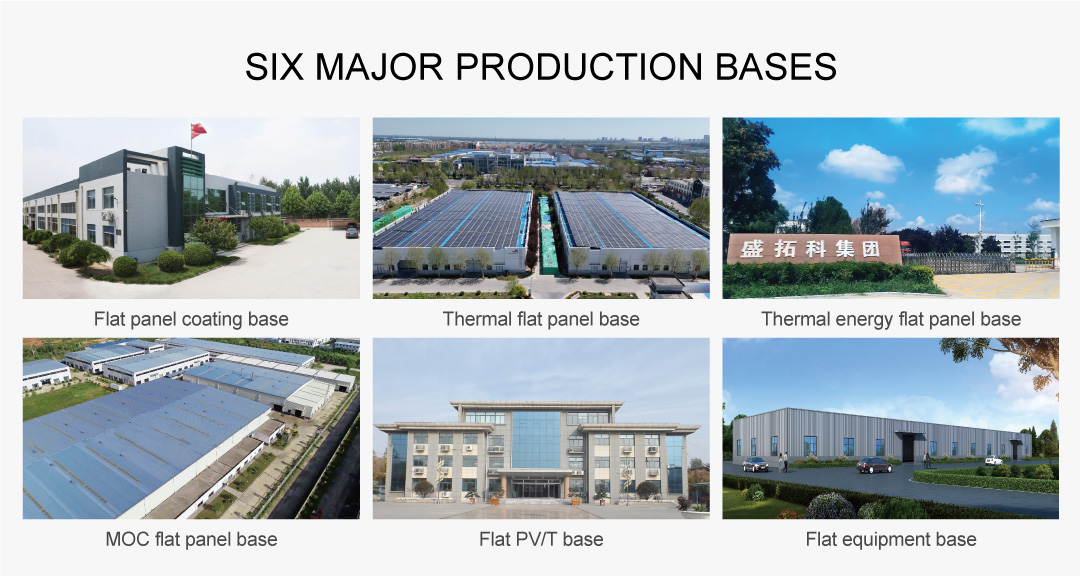
Soletks Solar holds more than 30 core patents covering selective absorber coatings, thermal-electrical coupling, and system integration. Most of these technologies have progressed beyond laboratory research into stable industrial application.
2. Advanced Manufacturing Infrastructure
Highly automated production lines with automation rates exceeding 85% ensure consistent product quality and scalability. Automated heat-transfer welding equipment and intelligent assembly lines minimize variability and enhance reliability.
3. Comprehensive Testing and Validation
A 500 m² testing platform equipped with spectral analysis, IV testing, and thermal performance measurement systems enables full-cycle verification from material properties to system performance, ensuring that every module meets its design specifications.
V. Application Outlook: Building a New Energy Ecosystem
The PVT-E hybrid module is suitable for:
· Commercial and public buildings requiring integrated heating, cooling, and power supply
· Residential communities with centralized hot water and supplementary electricity needs
· Industrial facilities requiring low-temperature process heat and electricity
· Agricultural greenhouses requiring thermal regulation and electrical supply
As buildings transition toward carbon neutrality, the PVT-E module represents a more compact, efficient, and intelligent form of solar utilization. It converts buildings from energy consumers into energy producers and transforms architectural surfaces into active components of the energy system.
Choosing Soletks Solar means partnering with a company that combines deep technological expertise with industrial-scale manufacturing capability. Through continuous innovation and rigorous quality control, we support our customers in building energy systems that are efficient, reliable, and economically sustainable.