Chinese
 Español
 Francés
 Deutsch
 Русский
 العربية
 Português
 日本語
日本語
 한국어
한국어
 Italiano

PVT Panels vs Traditional Solar Water Heaters: Which Technology Wins for Europe?
PVT Panels vs Traditional Solar Water Heaters: Which Technology Wins for Europe?
As energy regulations tighten and efficiency expectations grow, engineers and decision-makers across Europe are reconsidering traditional solar water heating systems. While these systems are familiar, newer hybrid solutions like PVT (Photovoltaic Thermal) panels—especially the TP-V PRO from Soletk—are emerging as superior alternatives in both functionality and return on investment.
PVT panels combine photovoltaic and thermal technologies in one system. Unlike traditional solar water heaters, which only produce hot water, PVT panels also generate electricity—maximizing energy yield per square meter. This makes them ideal for European buildings where space and energy efficiency are critical.
How Do Traditional Solar Water Heaters Work?
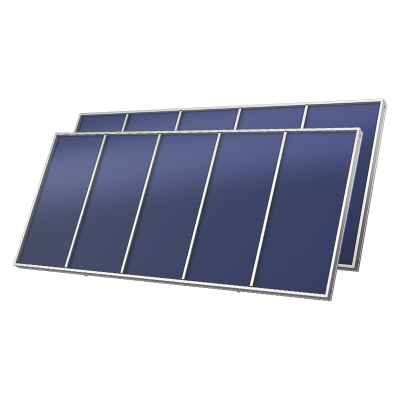
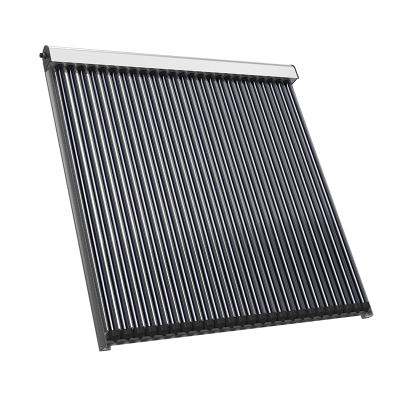
Traditional solar water heaters, often called solar geysers, operate using a solar thermal collector that absorbs solar radiation to heat water directly. These systems are generally efficient at converting sunlight into thermal energy, with thermal efficiencies ranging from 60% to 80%.
However, they lack the ability to produce electricity, and their value is limited to water heating only. In colder months or cloudy regions, their performance can also drop significantly without supplementary systems.
What Makes PVT Panels Different?
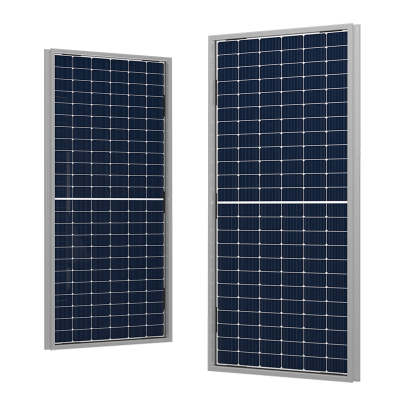
A PVT panel combines a solar photovoltaic layer with a thermal collector, producing both electricity and hot water simultaneously. Soletk's TP-V PRO is a leading model in this category, featuring:
High-efficiency monocrystalline PERC solar cells
Advanced copper-pipe heat exchanger integrated into the panel
Thermal efficiency up to 70%
Total system efficiency up to 89%
This hybrid design provides a two-in-one solution—ideal for buildings requiring both electricity and hot water, without increasing the roof space needed.
Which Is More Efficient: PVT vs Solar Thermal?
Solar thermal collectors are more efficient at converting sunlight to heat (up to 90%), but they do nothing else. By contrast, PVT panels like the TP-V PRO offer slightly lower thermal efficiency but generate additional electrical output—significantly increasing total energy yield.
For example, while a standalone solar water heater may deliver 75% thermal efficiency, the TP-V PRO delivers:
Other Soletk models include:
PVT-E Type – Optimized for cost-effective applications with solid performance in both heat and power
PVT-T Type – Tailored for projects focused on thermal load, such as retrofitting traditional solar water heating systems
Do Hybrid PVT Panels Save More Roof Space?
Absolutely. In dense urban areas or retrofits, roof space is often limited. A PVT panel replaces the need for two separate systems (PV + thermal), offering a highly compact solution. This also reduces structural load, piping complexity, and installation time.
Whether designing residential homes or multi-unit buildings, the ability to install fewer panels while achieving dual output is a major advantage of PVT technology.
Is It Worth Replacing a Solar Water Heater with a PVT System?
For many buildings, especially those undergoing energy upgrades, the answer is yes. A PVT system offers better year-round performance, improved ROI, and prepares the building for electrification trends. The PVT-T Type model is specifically designed for these retrofit applications—replacing a solar geyser setup with added electricity generation.
Because PVTs are eligible for many renewable subsidies in Europe, the transition can be economically viable even in the short term.
Which System Offers Better ROI in Europe?
Return on investment depends on energy usage patterns, installation size, and policy incentives. However, PVT systems offer greater financial returns over time because:
They provide dual energy streams (heat + electricity)
They reduce utility bills across two services
They future-proof buildings for carbon-neutral compliance
They qualify for multiple incentives under EU green energy policies
In short, while traditional solar water heaters offer high thermal efficiency, their single-function design limits their economic potential.
Can PVT Panels Support Both Heating and Electricity Needs?
Yes. Systems like the TP-V PRO are built for integrated energy design—ideal for homes with heat pumps, or buildings needing space heating, water heating, and power. This allows engineers and project managers to streamline energy planning with one scalable, efficient solution.
Especially in mixed climate zones across Europe, this dual-capability reduces reliance on gas and improves a building's energy classification.
Ready to Upgrade Your Solar System?
We'd be happy to help you select the best system for your application.