1,740-Unit Solar Hot Water Deployment for Beijing Residential Communities
A large-scale residential solar hot water project delivered by a China-based manufacturer — flat plate heat pipe thermosiphon systems, cold-climate verified, 4,000+ households served
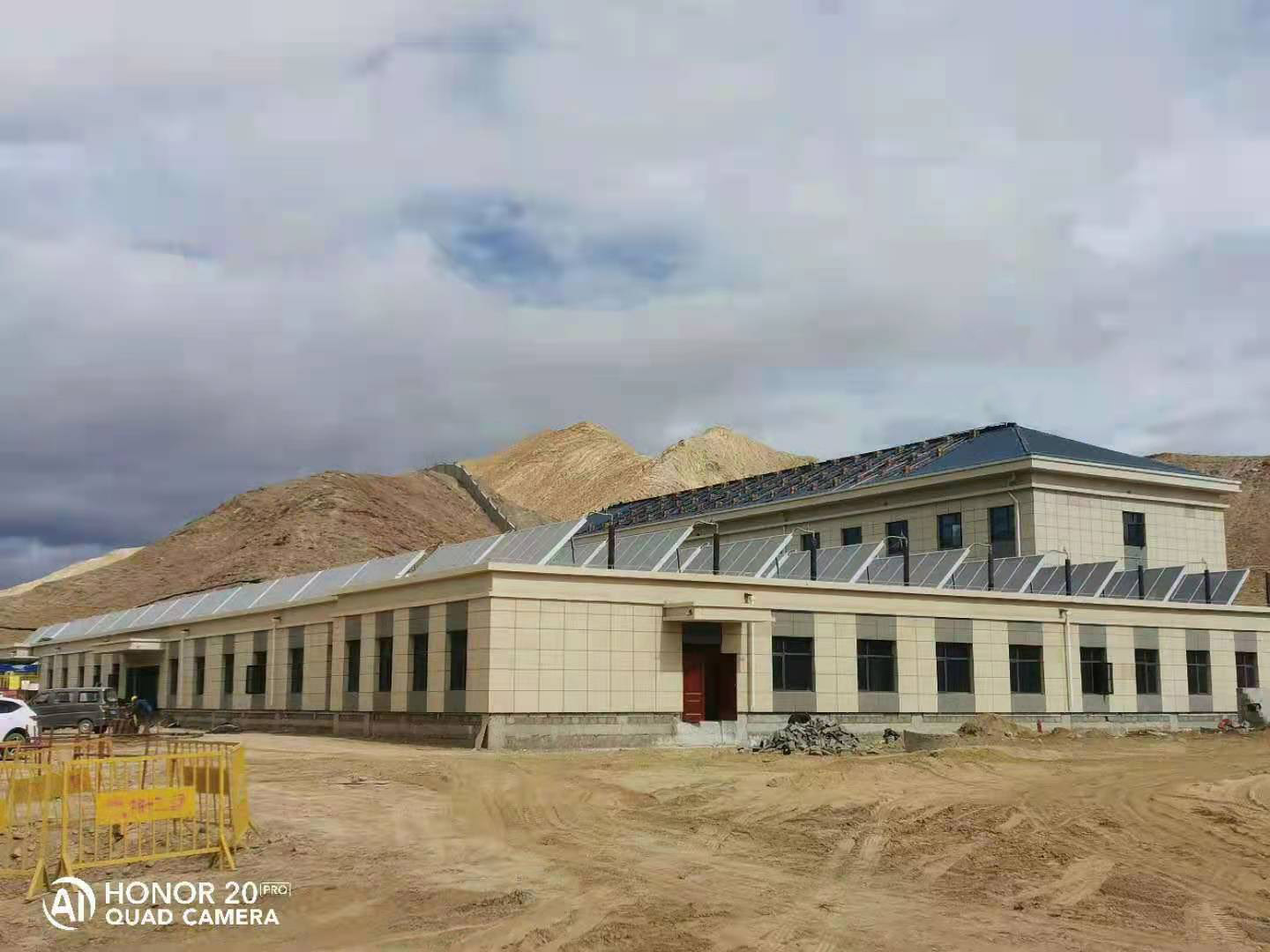
In 2024, Soletks Group completed the delivery and installation of 1,740 units of 240-liter flat plate heat pipe thermosiphon solar water heaters across multiple residential communities in Beijing. The project covers over 4,000 households and represents one of the largest residential solar hot water deployments in Beijing in recent years.
For international distributors, EPC contractors, and project developers evaluating China solar water heater manufacturers for large-scale residential programs, this project demonstrates factory-level production capacity, cold-climate system adaptability, and end-to-end project execution from a single supplier.
Project Scope and System Specification
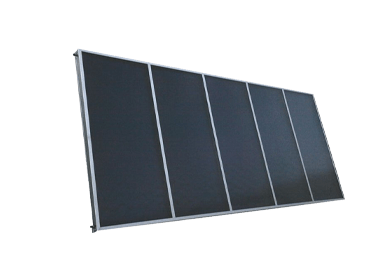
The project deployed 1,740 identical 240-liter flat plate heat pipe unpowered solar hot water systems. Each unit combines a flat plate collector with internal heat pipe technology and an insulated pressurized storage tank, operating on natural thermosiphon circulation without requiring electricity for basic solar heating.
| Parameter | Detail |
|---|---|
| Total units installed | 1,740 |
| Households served | 4,000+ |
| System type | Flat plate heat pipe thermosiphon (unpowered) |
| Tank capacity | 240 liters per unit |
| Circulation method | Natural thermosiphon, no pump required |
| Electrical requirement | None for basic solar operation |
| Location | Multiple residential communities, Beijing |
| Climate challenge | Cold winters, large seasonal temperature variation |
| Completion year | 2024 |
The 240-liter capacity was selected to match Beijing household hot water consumption patterns, covering daily bathing, laundry, and kitchen use for typical family units.
Why a Flat Plate Heat Pipe Thermosiphon System?
The system selection for this project was driven by three factors that are relevant to any buyer evaluating solar water heaters for residential community programs.
Zero Operating Electricity
The thermosiphon design uses natural circulation. No pump, no controller, no electricity for basic solar heating. This reduces ongoing maintenance cost and eliminates electrical failure points across thousands of units.
Cold-Climate Performance
Beijing winters regularly drop below -10°C. The heat pipe design enables efficient heat transfer in low-temperature conditions and provides inherent freeze tolerance compared with direct-flow systems.
System Uniformity at Scale
A single standardized 240L model simplifies procurement, quality control, installation training, spare parts, and after-sales management across all 1,740 units.
Low Lifecycle Cost
No moving parts in the basic solar loop means fewer failure points, lower maintenance frequency, and longer service life compared with pump-driven systems.
Manufacturing and Supply Chain Capability
Delivering 1,740 identical systems to a single project within a defined schedule requires a China solar water heater supplier with verified production capacity — not a trading company or small workshop.
Soletks Group operates production bases in Shandong and Jiangsu with annual production capacity covering hundreds of thousands of solar hot water system sets. For this Beijing project, the supply chain included centralized production of all 1,740 units under consistent quality control, batch testing and inspection before shipment, coordinated logistics delivery to multiple community sites, on-site installation team deployment, and post-installation commissioning and system verification.
For international buyers considering a China solar water heater manufacturer for large-volume orders: This type of project execution demonstrates that the supplier can handle volume production, quality consistency, and delivery coordination — not just sample-level performance.
Cold-Climate Engineering: Design Adaptations for Beijing
Beijing's climate presents real challenges for solar hot water systems: winter temperatures below -10°C, large seasonal temperature variation, and strong heating demand during the coldest months when solar radiation is weakest.
The system adaptations applied in this project included:
Heat pipe collector design. The flat plate collector uses internal heat pipes rather than direct-flow risers. Heat pipes transfer heat rapidly and tolerate freezing conditions without risk of pipe burst, which is a critical advantage for northern climate installations.
Enhanced thermal insulation. Additional insulation layers were applied to both the storage tank and exposed piping to reduce heat loss during cold nights and overcast periods.
Optimized tilt and orientation. Collector tilt angles were adjusted based on Beijing's latitude and seasonal solar radiation patterns to maximize winter heat gain.
Anti-freeze system design. The overall system was designed to tolerate Beijing's minimum winter temperatures without requiring antifreeze fluid circulation or electrical heating elements for freeze protection.
For buyers sourcing solar water heaters for cold-climate markets — Northern Europe, Central Asia, high-altitude regions, or northern China — this project provides a reference for what a China-based solar water heater producer can deliver in challenging thermal environments. For more on freeze protection strategies, see our technical guide on freeze protection for solar hot water systems.
Installation at Scale: Managing Complexity Across Multiple Communities
Large-scale residential solar hot water projects involve more than manufacturing. Installation complexity, resident coordination, building structure variation, and quality control across dozens of sites are common challenges.
Building Structure Assessment
Each community has different roof layouts, load-bearing capacity, and available installation space. Site surveys were conducted for every building before installation design was finalized.
Resident Coordination
Installing solar equipment on residential buildings requires resident communication, scheduling, and cooperation. Managed through notices, home visits, and direct consultation.
Installation Standardization
Despite building variations, the installation process was standardized to maintain quality and speed. Every unit was commissioned and tested before handover.
Quality Verification
A formal QC process covered each installed unit, including functional testing, leak checks, and performance verification before project acceptance.
For EPC contractors and project developers, this demonstrates that Soletks operates not only as a solar water heater factory but also as a project execution partner capable of managing large-scale residential deployment from start to finish.
Planning a 500+ unit residential solar hot water program? Get production capacity details and project reference.
Request Project ReferenceMeasured Outcomes After Deployment
After system commissioning, measured outcomes across the project confirm operational reliability at scale.
Stable hot water delivery. Resident feedback confirms consistent hot water supply meeting daily household demand across all seasons, including winter operation in temperatures below -10°C.
Reduced energy costs. Households report significant monthly savings on gas or electricity previously used for water heating. Based on average Beijing household consumption, annual energy cost savings per household are estimated at several hundred RMB.
Environmental impact. The 1,740-system deployment is estimated to reduce traditional energy consumption by thousands of tons of standard coal equivalent annually, with corresponding CO₂ emission reductions.
Low maintenance demand. The unpowered thermosiphon design has shown low after-sales service rates, confirming the reliability advantage of systems with no moving parts or electrical components in the basic heating loop.
What This Project Means for International Buyers
If you are a distributor, EPC contractor, or project developer evaluating China solar water heater suppliers for residential community programs, this project provides evidence across several evaluation criteria.
| Buyer Concern | What This Project Demonstrates |
|---|---|
| Production capacity | 1,740 units delivered under one project schedule |
| Quality consistency | Identical specification across all units, batch-tested |
| Cold-climate capability | Verified operation in Beijing winters below -10°C |
| System simplicity | No pump, no controller, no electricity for solar operation |
| Project execution | End-to-end delivery from manufacturing to commissioning |
| After-sales reliability | Low service rate confirmed after deployment |
| Scale reference | 4,000+ households served in a single program |
For buyers planning residential solar hot water programs in 500+ unit volumes, this project can serve as a supply capability reference when evaluating Soletks as a potential China solar water heater manufacturer and project partner.
Request Project Reference Documentation
Interested in large-scale residential solar hot water supply from a verified China manufacturer? Share your target market, required system type, estimated volume, and project timeline.